Ross Pino
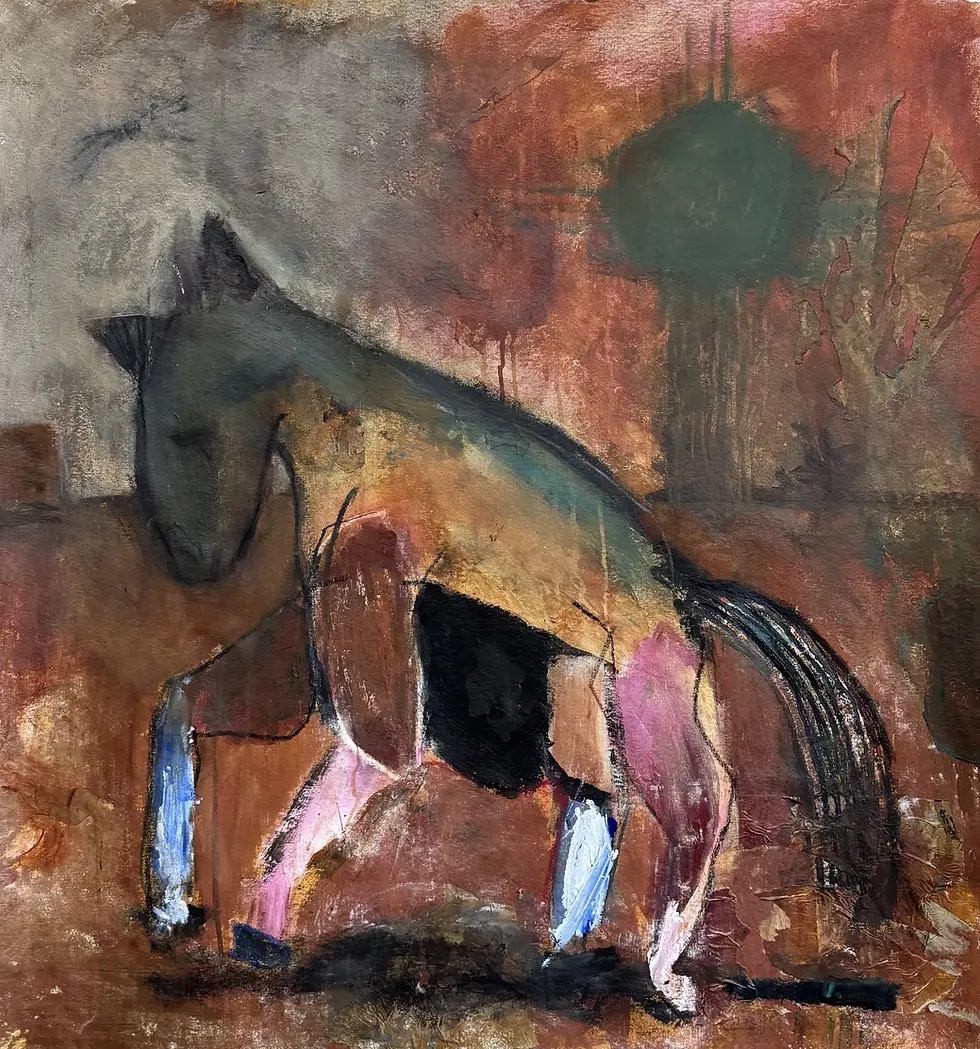
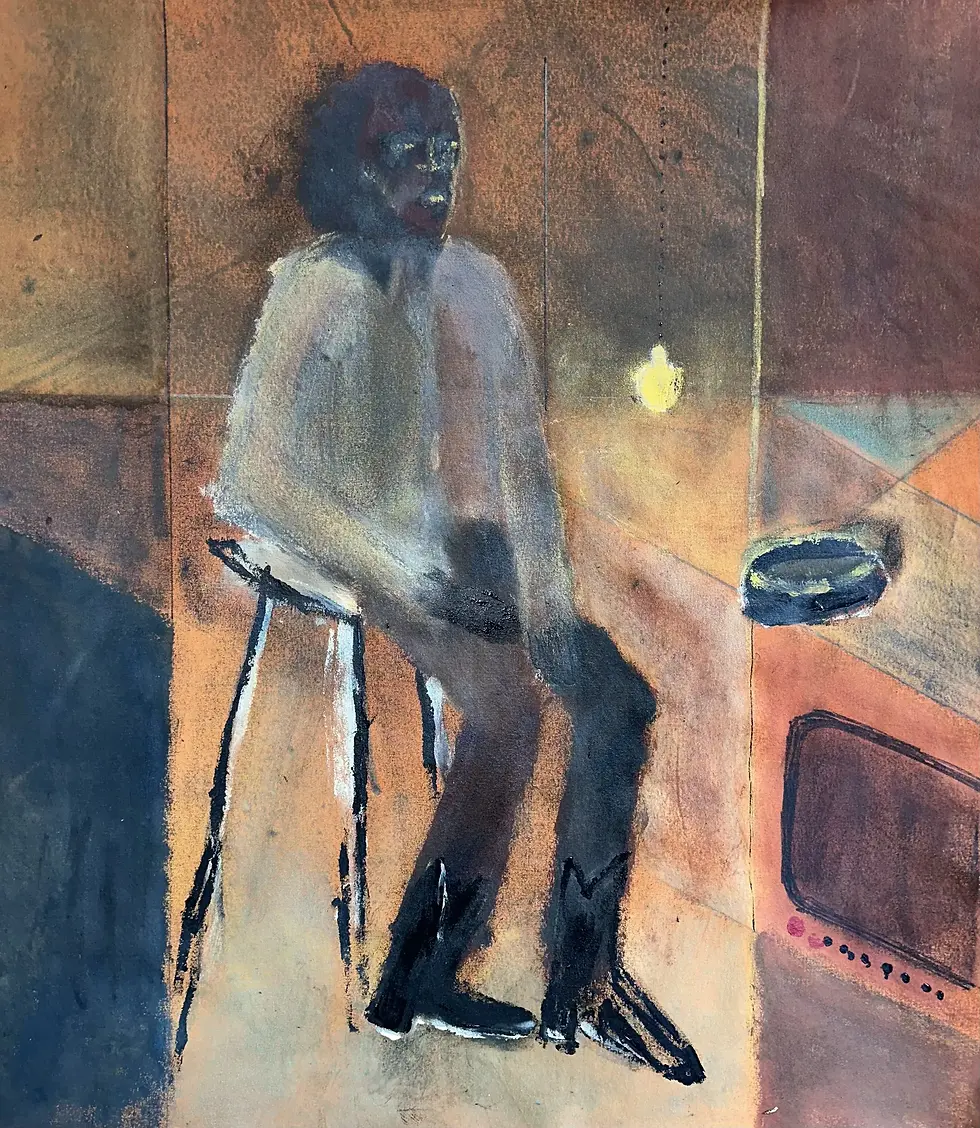
Ross Pino is a contemporary artist whose work shows the struggle between chaos and control. He is known for his repeated skull and skeleton images. He uses these motifs not as dark symbols, but as reminders of change. His paintings carry the energy of music, being raw, expressive, and filled with emotion. Through color and gesture, Pino examines what it means to confront fear, ego, and doubt, turning them into something vibrant. His work captures the moment when destruction leads to renewal.

Q: You often move between light and dark, good and evil. What keeps you exploring that tension?
A: That tension is the essence of being human. We’re all walking contradictions, saints and sinners, lovers and fighters. I paint from that middle ground where beauty and pain coexist because that’s where truth lives. Without the dark, the light has no context.
Q: The skulls and skeletons have become part of your language. What do they represent to you now?
A: They’ve evolved into symbols of transformation, reminders that death isn’t the end, it’s change. The skeleton strips everything down to its rawest form, no ego, no mask. It’s the soul exposed. They’re not meant to be morbid; they’re honest.


Q: Your work carries both intensity and freedom. How do you hold those two energies together?
A: I surrender to chaos but stay anchored in intention. It’s a dance, one hand wild, the other steady. The freedom comes from trusting the process; the intensity comes from everything I’ve lived through. Together, they create a rhythm that feels alive.
Q: There’s a clear Rock & Roll spirit in what you do. Does music shape the way you paint?
A: Absolutely. Music is my fuel; it’s rebellion, emotion, release. I paint like a guitar solo, raw, improvised, imperfect but powerful. Rock & Roll reminds me to break rules, stay loud, and never apologize for being passionate.

Q: You talk about freeing people from destructive patterns. Has that transformation also happened through your own work?
A: Every painting is me breaking another chain. I’ve had to face my own darkness, ego, doubt, fear, and alchemize it into color. My art is therapy in motion; it’s how I’ve rebuilt myself piece by piece and learned that healing can be loud and messy.

Q: When you paint, what matters more to you — control or surrender?
A: Surrender, always. Control kills magic. I trust the paint to tell me what it wants to become. The moment I stop forcing it, the truth shows up and that’s where the real art begins.


