Marcus Aitken
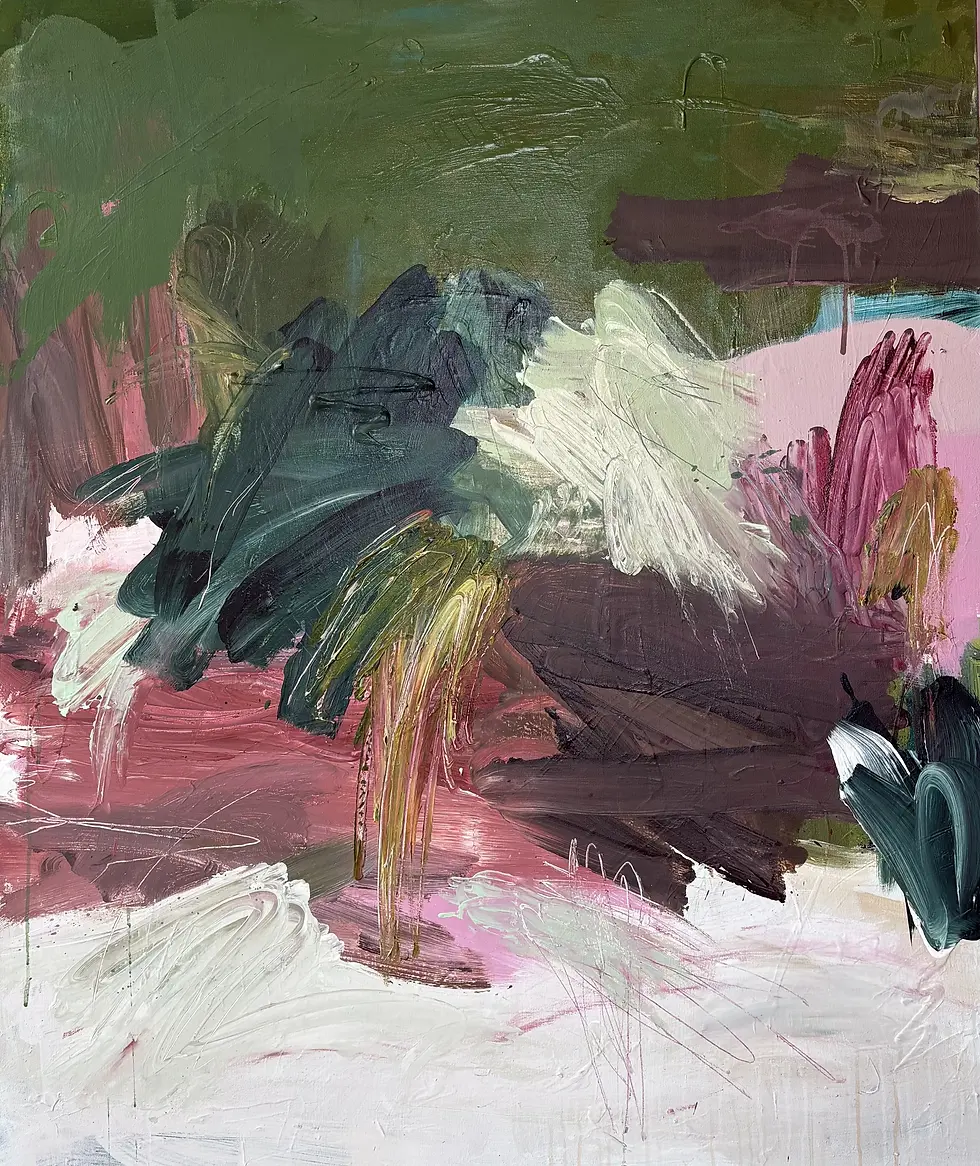
Marcus Aitken is a British abstract painter based in Margate, who trained as an illustrator first. Aitken's paintings begin with a simple idea and no more than three colors. He paints with his hands more than with brushes, scraping the surface back as he goes, leaving the earlier marks visible. Not every painting survives, but the ones that do have usually earned it. His work has been auctioned at Christie's and is held in the Soho House collection.
Q: You studied illustration before turning to abstraction. What brought you to painting this way?
A: When I started university, I had no idea which path within the arts I would take. I actually thought I was going to become a graphic designer. Then I had a conversation with one of the tutors about what illustration could really encompass, and that completely changed my thinking. Studying illustration gave me a strong sense of composition, storytelling and critical thinking, but also taught me the hardest lesson as an artist: knowing when enough is enough.
The reason I paint the way I do now is that it's completely instinctive. It lets me express things that words or traditional illustration never could. The work feels less like I'm trying to explain something and more like I'm discovering it as I go.
Q: Your paintings shift and get covered and scraped back as you go. How does one begin for you?
A: I nearly always start with a simple concept and no more than three colours. Limiting the starting point gives me something to push against as the painting develops. From there it's all about responding to what's happening in front of me. I want people to be able to sense the journey of the painting through its layers, scraped-back surfaces and marks that remain. Each work teaches me something new, and that constant evolution is what keeps the process exciting. Not every painting survives, but the ones that do have usually earned it.

Q: You let old marks stay in the painting. What do they mean to you?
A: There's that saying, "mistakes are just opportunities in disguise." I think I probably heard it in one of those artist tutorial videos, but I do agree with it – to a point. Most of the time, it's those unexpected marks and buried layers that give a painting its character. They tell the story of how the work came to be. But I'm not sentimental about every mark. If something genuinely isn't working, I'll paint over it completely or even start again. The challenge is knowing the difference between something that needs time and something that simply isn't right.
Q: Cy Twombly and Pollock come up when you talk about influences. What do you find in their work?
A: It's more about how they painted than what they painted. I'm not as emotionally connected to Pollock's finished works as some people are, but I really admire the physicality and freedom in his process. The spontaneity, movement and commitment to making work through instinct rather than overthinking really resonate with me.
I think that's where people see the connection with my work. I'm interested in painting as an action and as a record of a moment, rather than trying to create something polished or predetermined.
Q: You often paint with your hands and tools other than brushes. Why work that way?
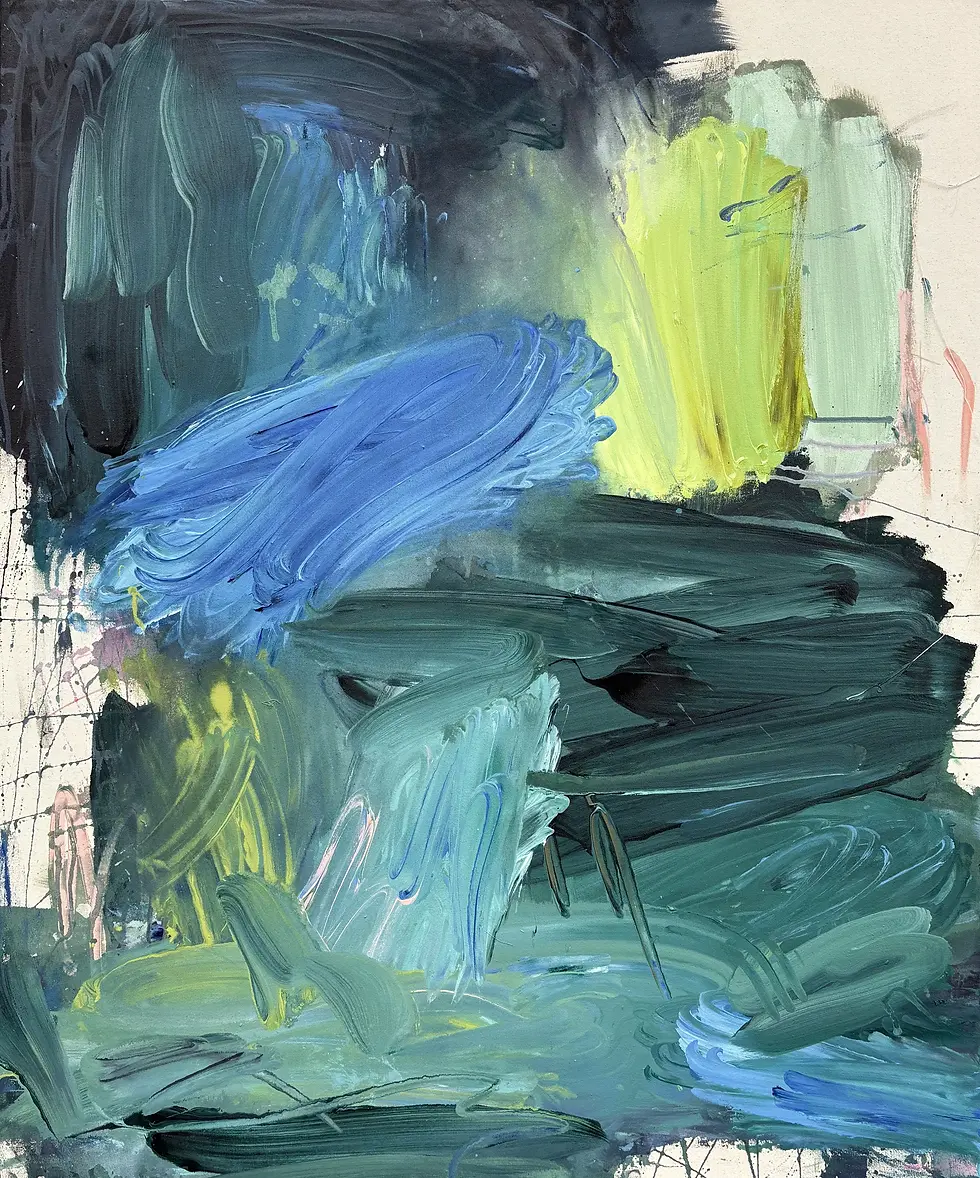
A: I've yet to find a better tool – that's the simple answer. I'm fascinated by the hand as a tool for making. There's something very primal about it, and it completely changes your relationship with the material.
Painting this way lets me understand the paint on a deeper level while giving me a great deal of control over a piece's feeling. It also leaves a physical trace of the artist within the work. People can almost follow the movement of my fingers across the surface, making the process feel visible rather than hidden.

Q: After Christie's, Soho House, and the international shows, where do you want to take the work next?
A: I don't have one fixed destination in mind. I'd love to continue showing internationally, especially in places like Japan and the US. Every new audience and culture influences how I think and, inevitably, finds its way back into the work.
Beyond that, I just want to keep making paintings that excite me and keep evolving my practice. If I can continue doing what I love while reaching new people along the way, I'll be very happy.


