Donna Cyril
Updated: May 19
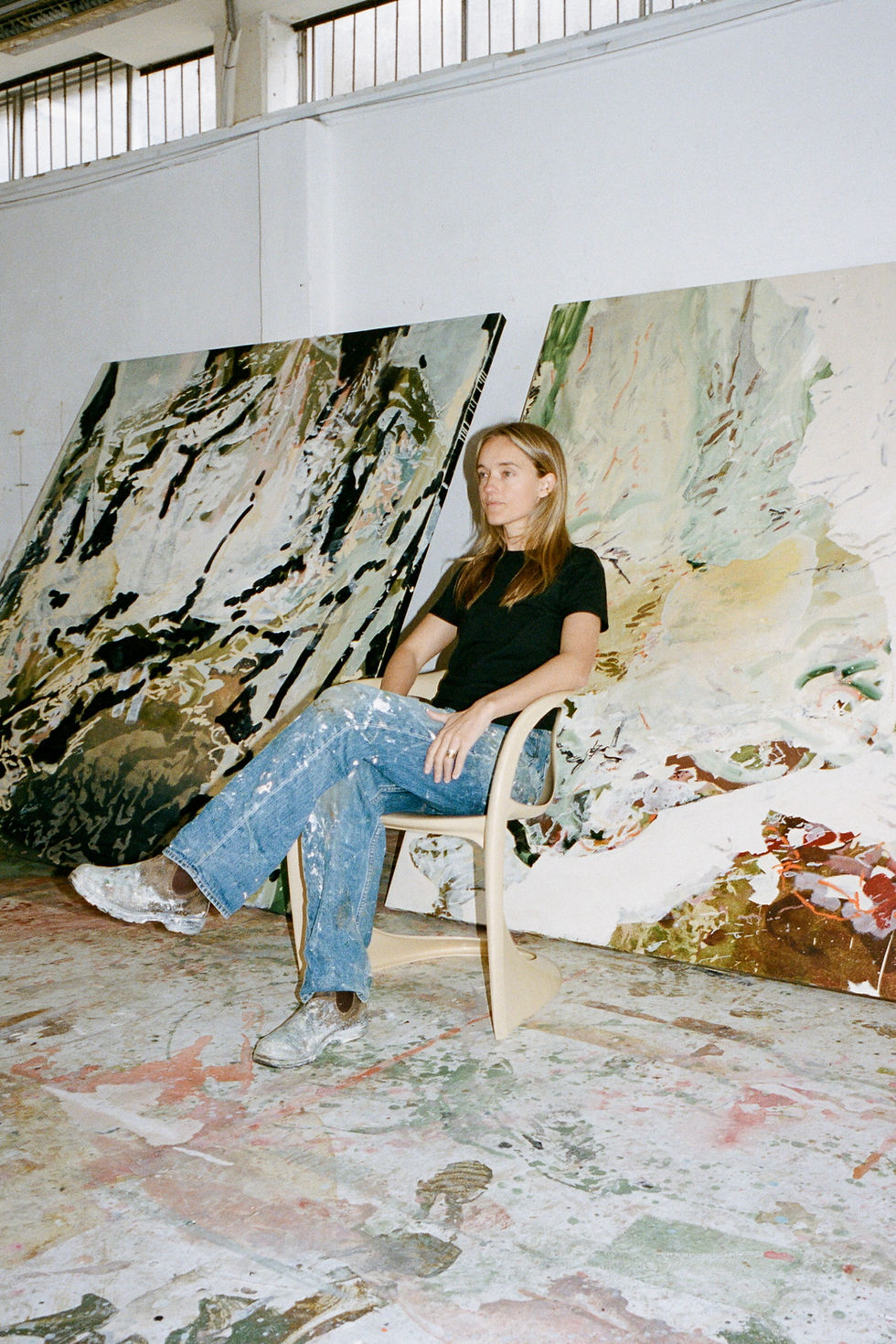
Donna Cyril is a photographer based in London. Her father gave her her first camera in 2015, and she taught herself from there, starting with college events and small commercial jobs before finding street photography. She shoots people while they work, in London and in India, at places like Sasoon Dock and Khotachi Wadi, where the images feel more instinctive to her. She also works in film as a sound recordist and designer, and says the relationship between sound and image shapes how she sees things.

Q: Your father gave you your first camera in 2015. What happened from there?
A: I was naturally curious, so I began experimenting with the camera on my own, learning through trial, observation, and self-teaching. By the time I was 18, I started shooting college events and small commercial assignments, which helped me understand the responsibility of documenting moments. The appreciation my work received gave me the confidence to take photography more seriously.
Around the same time, I discovered street photography, which offered me complete creative freedom. Unlike event work, it allowed me to interpret stories in my own way and connect more personally with what I was capturing. That sense of storytelling gradually led me toward filmmaking.
Today, alongside photography, I take on freelance projects in film as a Sound Recordist and Designer. I find a strong connection between sound and image, and that relationship continues to shape how I see and capture moments.
Q: You shoot in London but also in Khotachi Wadi and Sasoon Dock. What changes when you photograph somewhere far from home?
A: I don’t feel a drastic difference when I photograph away from home, beyond the obvious changes in landscape, architecture, and culture. What stays constant for me are human emotions—the way people express, connect, and move through their daily lives. That sense of shared experience is what I’m always drawn to, no matter where I am.
What does change, though, are the stories. There’s a visible shift in the way they unfold. In India, especially in places like Khotachi Wadi or Sasoon Dock, the images feel more instinctive; they are vibrant, layered, and deeply rooted in culture. There’s an energy and familiarity that I naturally connect with.
In London, I’m still discovering that rhythm. It is culturally diverse, but I find myself searching for that same emotional intensity and visual richness. I am learning to see it in a different way and allowing new stories to reveal themselves more slowly.

Q: The Flower Vendor, The Net Weaver, The Vegetable Seller. You keep photographing people while they're working. Why?
A: I’m drawn to photographing people while they’re working because that’s when they are most themselves. Candid moments allow me to capture a sense of honesty that staged images often miss. There’s something powerful about witnessing someone fully immersed in what they do.
At Sasoon Dock, this felt even more significant. The entire space is defined by work; there’s a constant rhythm of effort, movement, and purpose. No one is idle there—everyone is engaged in sustaining their livelihood.
I wanted to reflect that reality through my images. At the same time, I was moved by the resilience I saw: people showing up every day, often under demanding conditions, yet carrying a sense of pride and even warmth. Through these photographs, I hope to acknowledge that quiet strength and remind viewers that behind everyday labour lies courage, dignity, and perseverance.

Q: What does a day of shooting actually look like for you?
A: A typical day of shooting for me is quite unstructured, especially because I’m drawn to street photography. I usually pick a location and let the day unfold naturally rather than going in with a fixed plan. I try to stay open and observant, allowing the environment to guide me instead of forcing a narrative.
As I walk, I pay attention to small details like people, interactions, light, and fleeting moments. If something resonates with me, I capture it. Authenticity is important to me, so I’m always looking for moments that feel real and unposed.
Often, ideas or themes begin to form while I’m shooting rather than beforehand. Once I’m back home, I go through the images, select the ones that stand out, and edit them based on the mood I want to convey. When it feels right, I share them on my website or social platforms.
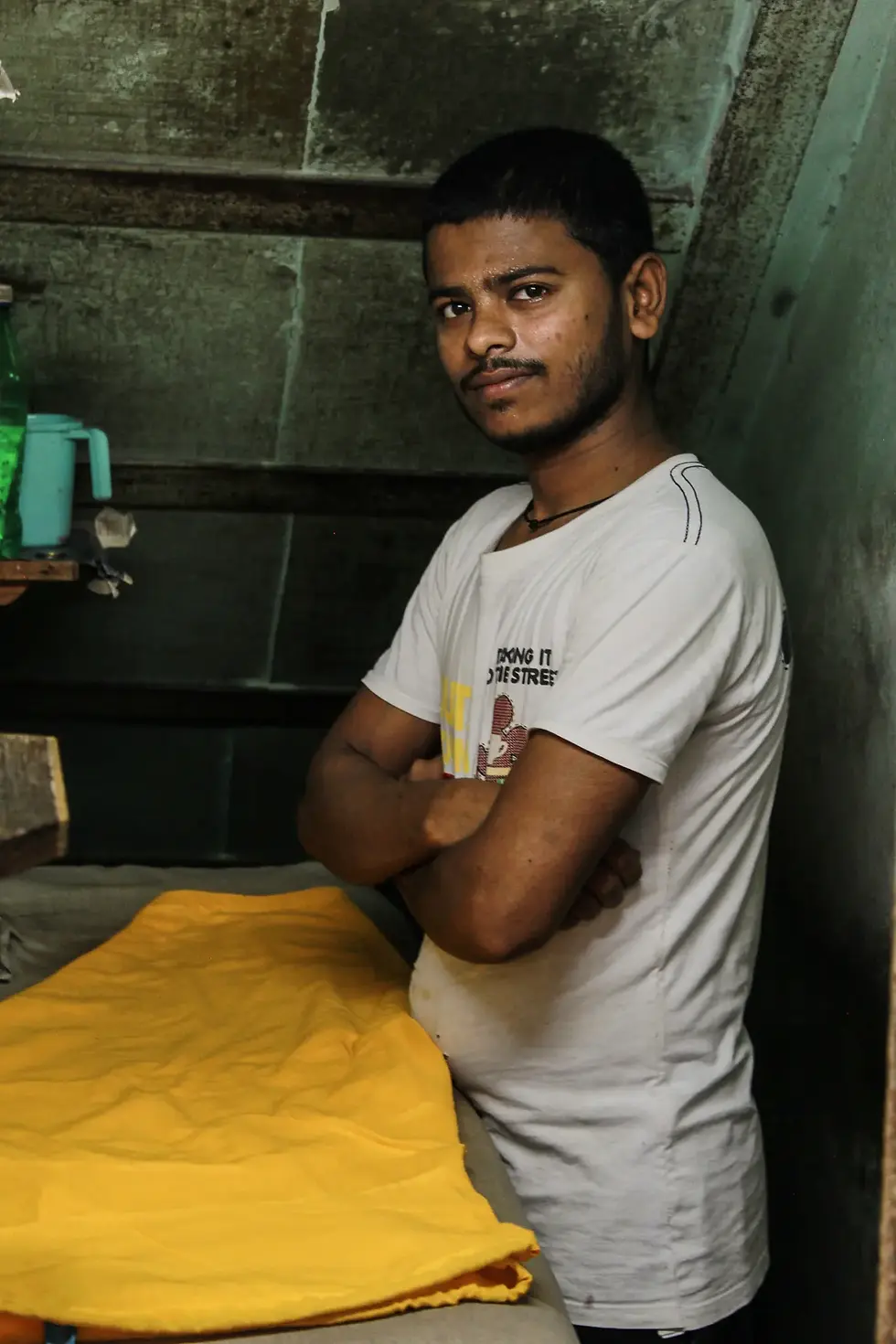
Q: The man in Khotachi Wadi was asked to pose, but it still feels completely natural. How did that image happen?
A: I took this photograph during a photo walk in Khotachi Wadi, and the moment was completely unplanned. I came across him working in a small, dim space, and something about the setting and his presence immediately drew my attention. When I asked if I could take his picture, he responded without hesitation, almost instinctively, and stood there with a quiet ease and confidence.
I remember him asking, “Are you taking pictures?” and the moment I said yes, he naturally stepped into the frame. There was no stiffness or self-consciousness—just a calm and genuine presence. Even though it was technically a posed image, it didn’t feel staged at all. It felt honest, as if he was simply allowing himself to be seen. That’s when I knew there was a story in that moment.
Q: What's the plan for your photography from here?
A: For now, the plan is to keep going—to keep observing, learning, and sharing stories of people and everyday life. Photography continues to bring me a sense of joy, especially when those images resonate with others and create space for conversation. Being in London has added a new dimension to my work, allowing me to share glimpses of my own culture while also learning to see and understand a different one.
I’m particularly looking forward to my next visit to India, where I hope to continue documenting candid and vibrant moments with a fresh perspective and my new camera. At the same time, I want to keep exploring London more deeply, building both confidence and connection within the spaces I photograph. Ultimately, I just want to keep growing, both as a storyteller and as an observer of the world around me.
Interview by Anna Garai